How Do Solar Panels Work? A Simple Guide for Homeowners

Solar panel technology has existed since 1839, so it’s not a new invention. Over the decades, technology has improved, and solar energy has become more accessible to regular homeowners in…

    Why you can trust our content

    We know that the solar industry is full of misinformation, but we only use reliable sources, including:


    • Experienced solar experts who design and install with care
    • Our proprietary database of solar and battery system designs
    • Authoritative bodies like MCS and the UK government

    At a glance

    Yes, solar panels still work on cloudy or overcast days, although their efficiency is reduced. They generate less electricity than on sunny days, but can still contribute to your overall energy needs.

    Absolutely. By generating your own electricity, you’ll use less from the grid, which can significantly lower your energy bills. The more solar energy you use, the more you save.

    Most solar panels last 25 to 30 years or more. They don’t stop working after that, but their efficiency may gradually decrease. Regular maintenance can help extend their lifespan.

    In most cases, no. Installing solar panels on a residential property is considered “permitted development” in the UK. However, exceptions apply for listed buildings and conservation areas, so it’s best to check with your local council.

    Solar panel technology has existed since 1839, so it’s not a new invention. Over the decades, technology has improved, and solar energy has become more accessible to regular homeowners in Devon. Today, the price of the equipment is lower than ever, meaning solar energy is a cost-effective investment for homes. If you have ever wondered how solar panels actually work, then here is a step-by-step breakdown.

    • Capturing Sunlight
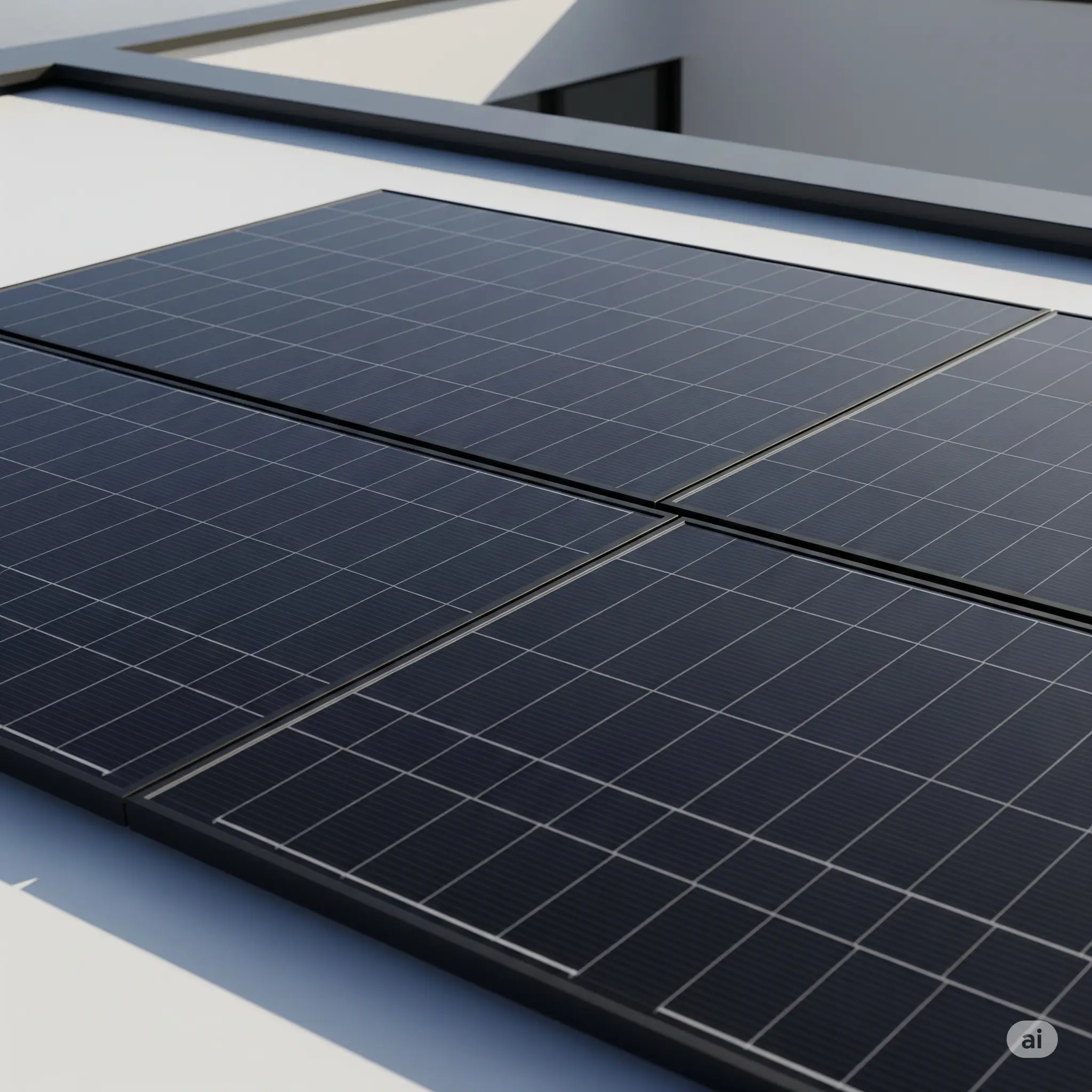
      Solar panels are made up of many small units called solar cells. These cells are made from materials such as silicon – a semiconductor. When sunlight hits the panels, the cells absorb the light’s energy. This is the first step in creating electricity. The more sunlight your panels receive, the more electricity they can generate. Solar panels work best when installed on rooftops or open spaces with minimal shading. Even partial shade from trees or buildings could reduce their efficiency. This is why careful planning and site assessment are essential before installation.
    • Creating an Electric Current
      Inside each solar cell, the absorbed sunlight moves loose particles called electrons. This happens because the energy from the sunlight excites the electrons, causing them to shift. This movement generates an electric current called direct current (DC) electricity. Each solar cell contributes a small amount of electricity, but when all the cells in a panel work together, they produce a significant amount of power.

      Solar panels are connected to form a solar array, which increases the total electricity generated. The size of the array can be customised to meet your home’s energy needs. Larger arrays can produce enough electricity to power your entire home and even send excess energy back to the grid.
    • Converting Electricity for Your Home
      Most homes use alternating current (AC) electricity, not DC. To make the electricity from your solar panels usable, it passes through a device called an inverter. The inverter’s job is to convert the DC electricity into AC electricity. Modern inverters are highly efficient and often include monitoring features that let you track your system’s performance.
    • Powering Your Home
      Once the electricity is converted, it flows into your home’s electrical panel. From there, it powers your lights, appliances and other devices. If your solar panels produce more electricity than you need, the extra power can go back to the grid. This process, called net metering, allows you to earn credits on your energy bill for the surplus electricity your system generates.

      Over time, a well-designed solar system can significantly reduce your reliance on the grid. Some homeowners even achieve “net-zero” energy, meaning they produce as much electricity as they consume.
    • See how much you could save

    What type of property do you have?

    Detached House

    Semi Detached House

    Terraced House

    Flat or Apartment

    Bungalow

    It just takes 2 minutes

    And then you can book a free consultation
    • Find out how much you’ll save
    • See the panels on your roof
    • Get a clear cost breakdown

    Adding Battery Storage – How Does That Work?

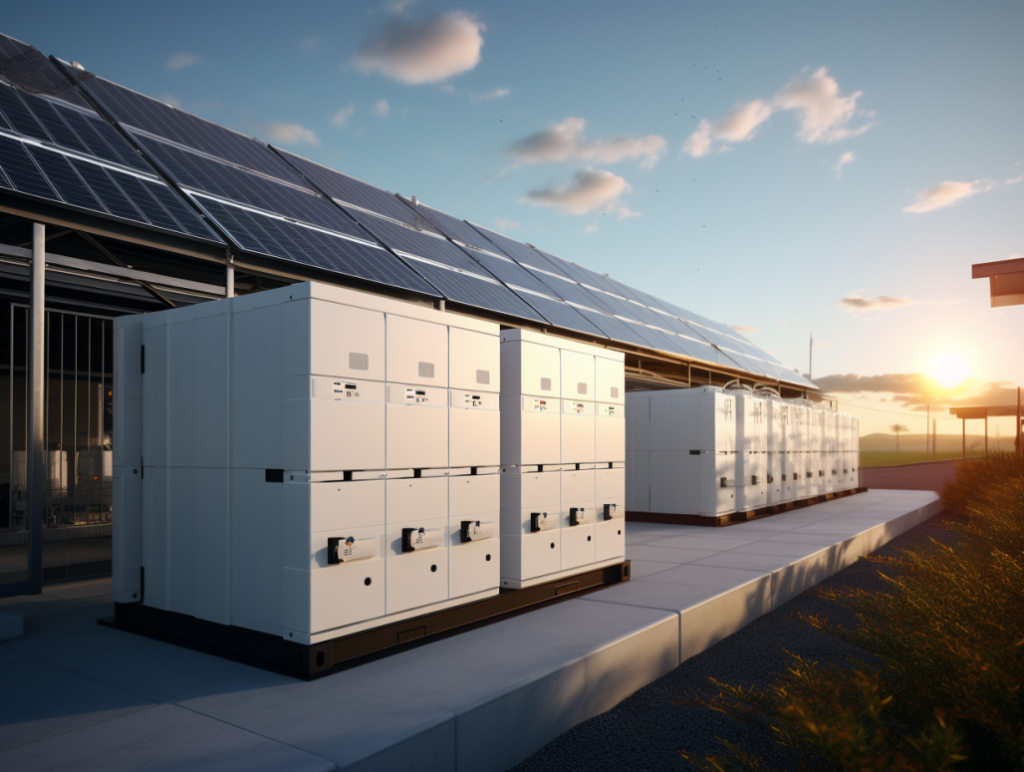
    Adding battery storage to your solar system is a smart option for many homeowners. Battery storage captures and stores the excess electricity generated by your solar panels. During the day, when sunlight is abundant, and your panels produce more energy than your home needs, and this surplus power is directed into the batteries.

    These batteries, often lithium-ion, hold the energy until it’s needed. When the sun goes down or during a spike in energy usage, the stored electricity can be used to power your home. This ensures a steady and reliable energy supply, even when solar production is low. By integrating battery storage, you can maximise your solar system’s efficiency and reduce reliance on the grid.

    The Future of Solar Energy

    Switching to solar power is a great way to save money and help the environment. Solar technology continues to improve, becoming more efficient and affordable each year.

    Innovations like advanced battery storage, smart inverters and flexible solar panels are expanding the possibilities for homeowners.

    Understanding how solar panels work makes the decision to go solar even more rewarding. By harnessing the power of the sun, you’re investing in a sustainable future for yourself and the planet. If you’re ready to take the next step, contact us today for a free consultation.

    The Current Renewables team is here to guide you through every step of the process, from assessment to installation and beyond. We are locally based in Axminster and work across the Taunton, Exeter, Chard, Yeovil, and Bridgwater areas, so we understand what works best in our region. 

    Related articles

    Contact Us Today

    Simply complete your details below and our team will be in touch shortly to discuss your requirements.

    Full Name(Required)
    Your information is 100% secure and we promise we won’t inundate you.
    • Estimate Your Savings

    At a glance

    Yes, solar panels still work on cloudy or overcast days, although their efficiency is reduced. They generate less electricity than on sunny days, but can still contribute to your overall energy needs.

    Absolutely. By generating your own electricity, you’ll use less from the grid, which can significantly lower your energy bills. The more solar energy you use, the more you save.

    Most solar panels last 25 to 30 years or more. They don’t stop working after that, but their efficiency may gradually decrease. Regular maintenance can help extend their lifespan.

    In most cases, no. Installing solar panels on a residential property is considered “permitted development” in the UK. However, exceptions apply for listed buildings and conservation areas, so it’s best to check with your local council.

    Solar panel technology has existed since 1839, so it’s not a new invention. Over the decades, technology has improved, and solar energy has become more accessible to regular homeowners in Devon. Today, the price of the equipment is lower than ever, meaning solar energy is a cost-effective investment for homes. If you have ever wondered how solar panels actually work, then here is a step-by-step breakdown.

    • Capturing Sunlight
      Solar panels are made up of many small units called solar cells. These cells are made from materials such as silicon – a semiconductor. When sunlight hits the panels, the cells absorb the light’s energy. This is the first step in creating electricity. The more sunlight your panels receive, the more electricity they can generate. Solar panels work best when installed on rooftops or open spaces with minimal shading. Even partial shade from trees or buildings could reduce their efficiency. This is why careful planning and site assessment are essential before installation.
    • Creating an Electric Current
      Inside each solar cell, the absorbed sunlight moves loose particles called electrons. This happens because the energy from the sunlight excites the electrons, causing them to shift. This movement generates an electric current called direct current (DC) electricity. Each solar cell contributes a small amount of electricity, but when all the cells in a panel work together, they produce a significant amount of power.

      Solar panels are connected to form a solar array, which increases the total electricity generated. The size of the array can be customised to meet your home’s energy needs. Larger arrays can produce enough electricity to power your entire home and even send excess energy back to the grid.
    • Converting Electricity for Your Home
      Most homes use alternating current (AC) electricity, not DC. To make the electricity from your solar panels usable, it passes through a device called an inverter. The inverter’s job is to convert the DC electricity into AC electricity. Modern inverters are highly efficient and often include monitoring features that let you track your system’s performance.
    • Powering Your Home
      Once the electricity is converted, it flows into your home’s electrical panel. From there, it powers your lights, appliances and other devices. If your solar panels produce more electricity than you need, the extra power can go back to the grid. This process, called net metering, allows you to earn credits on your energy bill for the surplus electricity your system generates.

      Over time, a well-designed solar system can significantly reduce your reliance on the grid. Some homeowners even achieve “net-zero” energy, meaning they produce as much electricity as they consume.
    • See how much you could save

    What type of property do you have?

    Detached House

    Semi Detached House

    Terraced House

    Flat or Apartment

    Bungalow

    It just takes 2 minutes

    And then you can book a free consultation
    • Find out how much you’ll save
    • See the panels on your roof
    • Get a clear cost breakdown

    Adding Battery Storage – How Does That Work?

    Adding battery storage to your solar system is a smart option for many homeowners. Battery storage captures and stores the excess electricity generated by your solar panels. During the day, when sunlight is abundant, and your panels produce more energy than your home needs, and this surplus power is directed into the batteries.

    These batteries, often lithium-ion, hold the energy until it’s needed. When the sun goes down or during a spike in energy usage, the stored electricity can be used to power your home. This ensures a steady and reliable energy supply, even when solar production is low. By integrating battery storage, you can maximise your solar system’s efficiency and reduce reliance on the grid.

    The Future of Solar Energy

    Switching to solar power is a great way to save money and help the environment. Solar technology continues to improve, becoming more efficient and affordable each year.

    Innovations like advanced battery storage, smart inverters and flexible solar panels are expanding the possibilities for homeowners.

    Understanding how solar panels work makes the decision to go solar even more rewarding. By harnessing the power of the sun, you’re investing in a sustainable future for yourself and the planet. If you’re ready to take the next step, contact us today for a free consultation.

    The Current Renewables team is here to guide you through every step of the process, from assessment to installation and beyond. We are locally based in Axminster and work across the Taunton, Exeter, Chard, Yeovil, and Bridgwater areas, so we understand what works best in our region. 

    Related articles
    Contact Us Today

    Simply complete your details below and our team will be in touch shortly to discuss your requirements.

    Full Name(Required)
    Your information is 100% secure and we promise we won’t inundate you.